


Recent Winners
- Leif H.·A$8,180.76·9/17/2026
- Rodrick H.·$913.18·9/16/2026
- Leo S.·SEK 76,571.23·9/16/2026
- Ellen H.·$6,676.66·9/16/2026
- Donato F.·NZ$5,600.70·9/16/2026
- Adriel C.·₿2.009840·9/16/2026
- Clinton S.·A$5,040.81·9/16/2026
- Susana G.·CA$11,938.13·9/15/2026
- Marley K.·£1,386.61·9/15/2026
- Leif H.·A$8,180.76·9/17/2026
- Rodrick H.·$913.18·9/16/2026
- Leo S.·SEK 76,571.23·9/16/2026
- Ellen H.·$6,676.66·9/16/2026
- Donato F.·NZ$5,600.70·9/16/2026
- Adriel C.·₿2.009840·9/16/2026
- Clinton S.·A$5,040.81·9/16/2026
- Susana G.·CA$11,938.13·9/15/2026
- Marley K.·£1,386.61·9/15/2026
- Leif H.·A$8,180.76·9/17/2026
- Rodrick H.·$913.18·9/16/2026
- Leo S.·SEK 76,571.23·9/16/2026
- Ellen H.·$6,676.66·9/16/2026
- Donato F.·NZ$5,600.70·9/16/2026
- Adriel C.·₿2.009840·9/16/2026
- Clinton S.·A$5,040.81·9/16/2026
- Susana G.·CA$11,938.13·9/15/2026
- Marley K.·£1,386.61·9/15/2026
- Leif H.·A$8,180.76·9/17/2026
- Rodrick H.·$913.18·9/16/2026
- Leo S.·SEK 76,571.23·9/16/2026
- Ellen H.·$6,676.66·9/16/2026
- Donato F.·NZ$5,600.70·9/16/2026
- Adriel C.·₿2.009840·9/16/2026
- Clinton S.·A$5,040.81·9/16/2026
- Susana G.·CA$11,938.13·9/15/2026
- Marley K.·£1,386.61·9/15/2026
West Virginia Welcomes RubyPlay
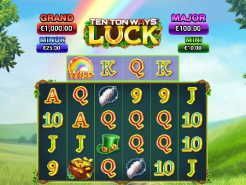
RubyPlay has gone live in West Virginia, marking the supplier’s third regulated US market after New Jersey and Delaware. The move brings the studio’s online casino portfolio to players in the Mountain State and gives local operators another content option as competition continues to heat up.
Among the titles now available in West Virginia are Vegas No Limit Wins SE, Mad Hit Diamonds, and Mad Hit Devil. The launch also allows operators in the state to plug RubyPlay games into their existing casino platforms, a practical advantage in a market where speed and catalog depth matter.
“Our launch in West Virginia reflects RubyPlay’s ongoing commitment to expanding across regulated US markets. Each new state represents an opportunity to strengthen our commercial footprint while building relationships with leading operators,” RubyPlay Chief Commercial Officer Dima Reiderman said in a news release.
“Through our studio-driven model, we are able to support operators with content that aligns closely with their strategy and audience, enabling them to deliver more relevant and differentiated experiences,” Reiderman added.
RubyPlay has also signaled that more US launches are on the way, with Pennsylvania named as a likely next stop.
Why West Virginia Keeps Pulling in New Casino Suppliers
RubyPlay’s arrival says a lot about where West Virginia’s iGaming market stands right now. It is not the biggest online casino state in the country, but it has become an appealing proving ground for suppliers that want to scale in the US without waiting around for larger, slower-moving opportunities.
That appeal comes down to a few factors. West Virginia has a workable regulatory setup, a stable lineup of online operators, and a player base that is already comfortable with digital casino play. For game studios, that creates a cleaner path to launch and a better shot at building traction quickly.
The state’s market has also moved beyond the early test phase. Operators are no longer just trying to fill lobbies with generic content. They are looking for recognizable slot brands, different game mechanics, and suppliers that can help them stand out in crowded app menus.
Fresh Deals Show the Market Is Moving Fast
Recent launches across West Virginia back that up. Caesars Entertainment recently expanded its offering in the state by adding Wazdan content through Light & Wonder, giving Caesars Palace Online Casino, Horseshoe Online Casino, and Caesars Sportsbook & Casino more options for players looking for varied slot features and play styles.
Playtech also entered West Virginia, widening distribution through operators such as Rush Street Interactive, Delaware North, DraftKings, and BetMGM. That kind of rollout matters because it gives operators access to a broad mix of proprietary games and helps them avoid leaning too heavily on one supplier.
For newer entrants like RubyPlay, that means the bar is higher than ever. Suppliers need to bring games that players recognize, mechanics that can hold attention, or enough flexibility to match an operator’s customer strategy.
Regional Operators Are Getting More Aggressive
National brands are not the only ones making moves. Regional and niche-facing operators have also been adding depth to their game libraries, and that has made West Virginia even more competitive.
A good example is Delaware North’s Betly, which recently added AGS Interactive titles in the state, including well-known games like Rakin’ Bacon and 3x Ultra Diamond. For smaller platforms, deals like that can help create a stronger identity and give players something familiar without trying to match the biggest operators title for title.
That is one reason suppliers keep showing up here. West Virginia gives them a chance to work with a mix of national and regional operators, which can help build broader distribution and test how different audiences respond to their games.
Poker Growth Adds Another Layer to the State’s Momentum
The state’s momentum is not limited to slots and table games. Poker has become part of the story as well, especially after Rush Street Interactive linked BetRivers Poker across Delaware, Michigan, Pennsylvania, and West Virginia into a shared player pool.
That kind of multistate setup can increase table activity, support bigger tournament guarantees, and give operators another way to keep players engaged across multiple products. For West Virginia, it adds a fresh growth angle in a market already seeing steady content expansion on the casino side.
It also makes the state more attractive to suppliers and platforms that want exposure to a fuller iGaming ecosystem, not just a slots-driven one.
Responsible Gaming Is Expanding Alongside the Market
As West Virginia’s online gambling market grows, so does attention on player protection. The state’s Problem Gambling Help Network recently rolled out a dedicated support app built with Chess Health, adding tools such as 24/7 crisis connections, virtual meetings, and daily check-ins tied to the 1-800-GAMBLER hotline.
That matters because more content, more access, and more multistate connectivity can also mean more risk for vulnerable players. Growth in regulated markets tends to bring higher expectations for account controls, support visibility, and stronger collaboration between operators, suppliers, and public health resources.
For West Virginia, that balance will be important as more companies enter the market.
What RubyPlay’s West Virginia Move Means Next
RubyPlay’s launch is another sign that West Virginia remains a strategic state for suppliers with bigger US ambitions. The market offers enough scale to matter, enough operator variety to create opportunity, and enough momentum to reward studios that can move quickly.
The company already has a presence with several casino brands outside the regulated US market, including Livewinz Casino, Roxy Moxy Casino, Spinational Casino, Vegazone Casino, and Jackpota Casino. In the regulated US space, though, state-by-state expansion remains the key story, and West Virginia is now firmly part of that plan.
With Pennsylvania reportedly on deck and competition tightening across regulated jurisdictions, RubyPlay’s latest launch looks less like a one-off and more like another step in a broader US push.
Get Your Bonuses

Up to:$1,200.00
Play at:Livewinz Casino


Play at:Roxy Moxy Casino
Best Casino Bonus Offers

Up to:$15.00
Play at:Sunset Slots Casino

Up to:$500.00
Play at:OhMySpins Casino
Bonus Percent:100%

Code:HORROR
Play at:BoVegas Casino
Bonus Percent:170%

Code:VFMONDAY
Up to:$1,000.00
Play at:Villa Fortuna Casino
Bonus Percent:50%